


The Year eCommerce Stopped Experimenting
2025 was not a year of bold promises. It was a year of quiet decisions. Fewer flashy replatforming announcements. More conversations about margins, returns, data quality, and trust.
And guess what? =) AI didn’t disappear – it settled.
It stopped being a “feature” and became part of the infrastructure behind discovery, conversion, and operations.
In short: eCommerce grew up.
What 2025 Turned Into the New Normal
AI Became the Shopping Interface – Not a Trick

In 2025, AI stopped living in pitch decks and started shaping how customers actually shop.
According to Salesforce, a growing share of consumers – especially Gen Z – already use AI-assisted tools to discover products, compare options, and make purchase decisions.
The implication is structural, not cosmetic: search is no longer just SEO.(while we haven;t got aquainted that AI replaced ad standard Google search)
Content increasingly needs to work in conversational, assistant-driven, and answer-based journeys. That is a new normal!
Retail Media Grew Up – and Demanded Accountability
Retail media networks crossed the line from “promising channel” to core revenue driver. Research from the IAB shows continued growth – but with rising pressure for standardized metrics, transparency, and first-party data quality.
By 2025, retail media was no longer about experimentation.
It was about controlled, measurable profitability.
Profitability Replaced Growth-at-All-Costs
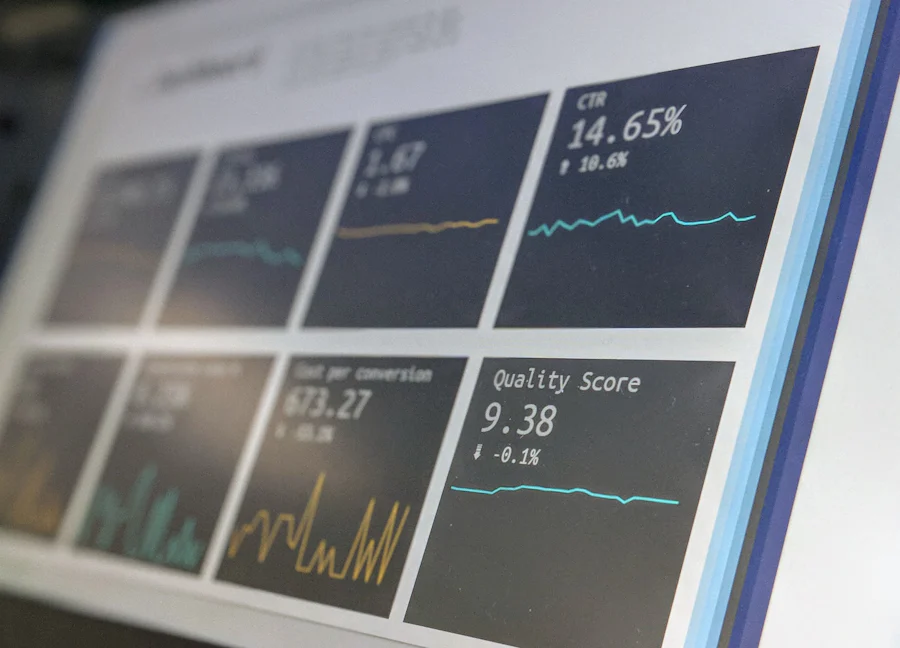
Rising logistics costs, higher CAC, and expensive returns forced a reset. According to Forrester, many brands in 2025 shifted focus from traffic volume to unit economics, operational efficiency, and sustainable margins.
Growth didn’t disappear. It simply had to prove it belonged in the P&L.
Returns and Fraud Became Strategic Risks
Returns management stopped being an operational problem and became a leadership concern. Coverage from Reuters highlights how return abuse,policy loopholes, and AI-enabled fraud began eroding both margins and customer trust.
The response was predictable – and necessary: stricter return policies, even at the risk of short-term dissatisfaction.
Mobile UX Became a Baseline, Not a Differentiator
Reports from Adobe continued to show year-over-year growth in online spending – with mobile performance directly tied to conversion rates.
By the end of 2025, this truth was unavoidable:
What 2026 Will Likely Demand
From AI Assistants to AI Agents
The next shift is not smarter recommendations – it’s autonomous execution. Salesforce forecasts that 2026 will be shaped by AI agents capable of: handling customer support, optimizing workflows, executing tasks across systems.
In practical terms: AI will stop advising teams – and start doing the work.
Digital Trust Becomes a Product Requirement
In its 2026 outlook, Gartner describes a future that is AI-powered and hyperconnected – but fragile without trust.
For eCommerce, this means explainable recommendations, transparent pricing logic, stronger fraud prevention, and responsible data usage.
Returns Will Tighten – UX Must Do More Upfront
Forrester predicts further tightening of return policies in 2026 as margin pressure continues. That shifts the burden before checkout: clearer product context, better sizing and fit guidance, richer visual and styling cues.
Pre-purchase UX will become one of the strongest profit levers in modern commerce.
Retail Media Moves Toward Standardization
IAB research points to the next phase of retail media:unified metrics, omnichannel execution, and deeper CRM integration.
Winning strategies in 2026 will connect: onsite → app → in-store → loyalty → CRM as one measurable system, not isolated channels.
Discovery Will Keep Moving Away from “Search”
Insights from Reuters and Salesforce show continued growth in:
-AI-influenced shopping,
-social-driven discovery,
-video and conversational commerce.
Insights from Reuters and Salesforce show continued growth in:

The Zerna Summary 🌾
2025 taught the market that AI is not magic but infrastructure.
2026 will demand proof – in P&L – through agents, trust, smarter returns, and truly measurable channels like retail media.
Sources
-Salesforce — State of the Connected Customer, AI Trends in Commerce
-Forrester — eCommerce Predictions 2026, Retail Profitability Research
-Gartner — Top Strategic Technology Trends 2026
-IAB — Retail Media Networks Reports
-Adobe — Digital Economy Index
-Reuters — Retail, AI, and Consumer Behavior Coverage